
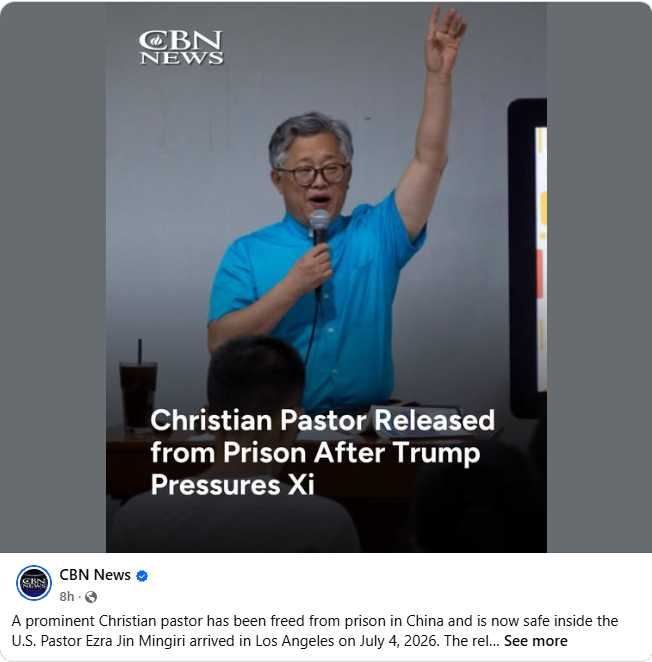
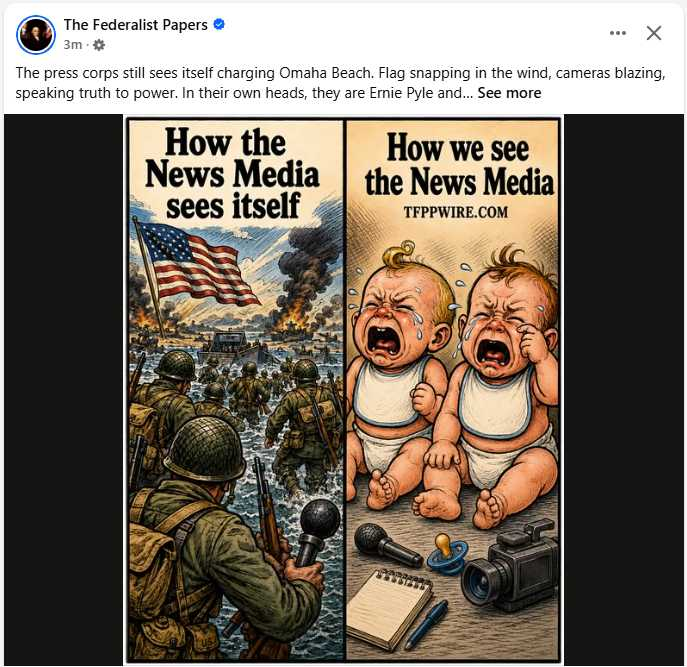
Just playing with the new "Article" feature. And probably violating copyright laws.
Galts Gulch
There is nothing interesting here. This community is my experiment.
Interested? Want to learn more about the community?

Nero@Frederic_Bastiat
February 17, 2026
According to Chat GPT
"My perspective, reading it as a unified literary and theological narrative, is that the Bible presents a profoundly relational vision of ultimate reality: one God who is personal, morally serious, historically engaged, and ultimately self-giving."
Interested? Want to learn more about the community?
What else you may like…
Videos
Podcasts
Posts
Articles
To access content (uploaded videos and audio), click the pop-out arrow (“Go To Community”) on the top left of the page next to the logo, to pop out the “community” dashboard. The left side will have a menu containing a “content” button. This will bring you to a dashboard of uploaded videos and audiobooks (podcasts). Search by playlist dropdown on the top right for better results. If you're on a smart phone click the "content" button at the top and then click the "All content" dropdown to find a playlist.
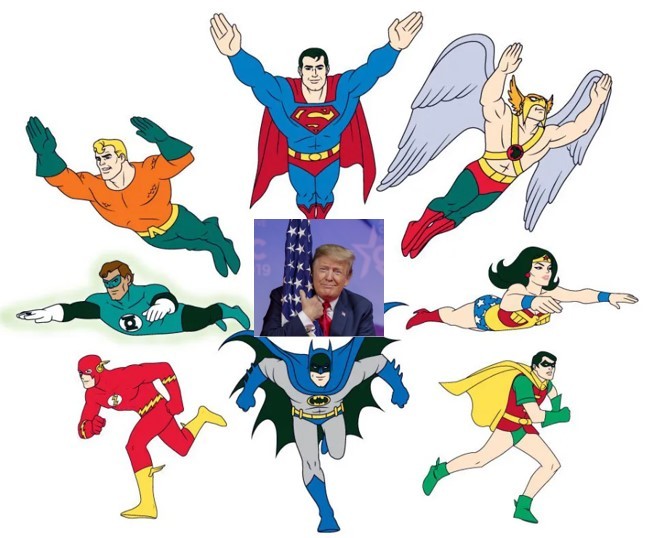
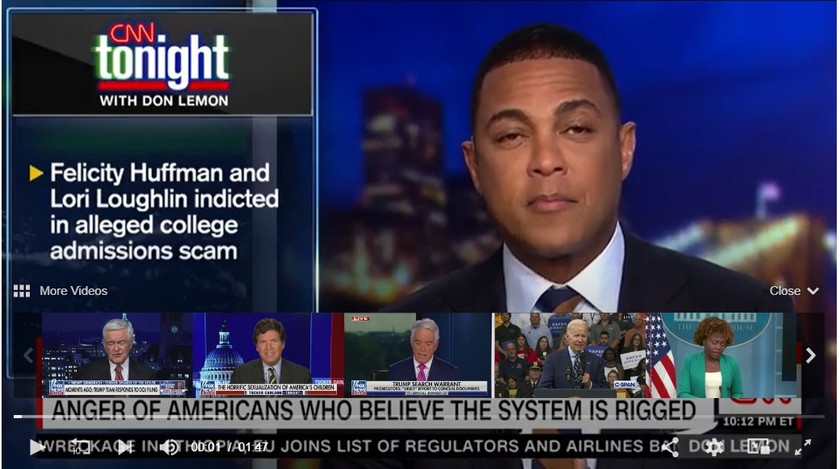
CNN's Lemon explains why capitalism is racist.
Equality of ideas
Don Lemon blasted capitalism today on his obscure network, "The inherent unfairness lies in the fact that capitalism works," Lemon claimed, "It's obviously a far superior system to socialism and that's why whitey has appropriated it. They take all the good ideas. They rile up their base with dog whistles and refuse to share equally in the misery of socialism, preferring to leave that for the minorities to shoulder. Just because socialism is a bad idea doesn't mean minorities should face it alone."